How West Brom Built Championship Momentum Without Headline Signings
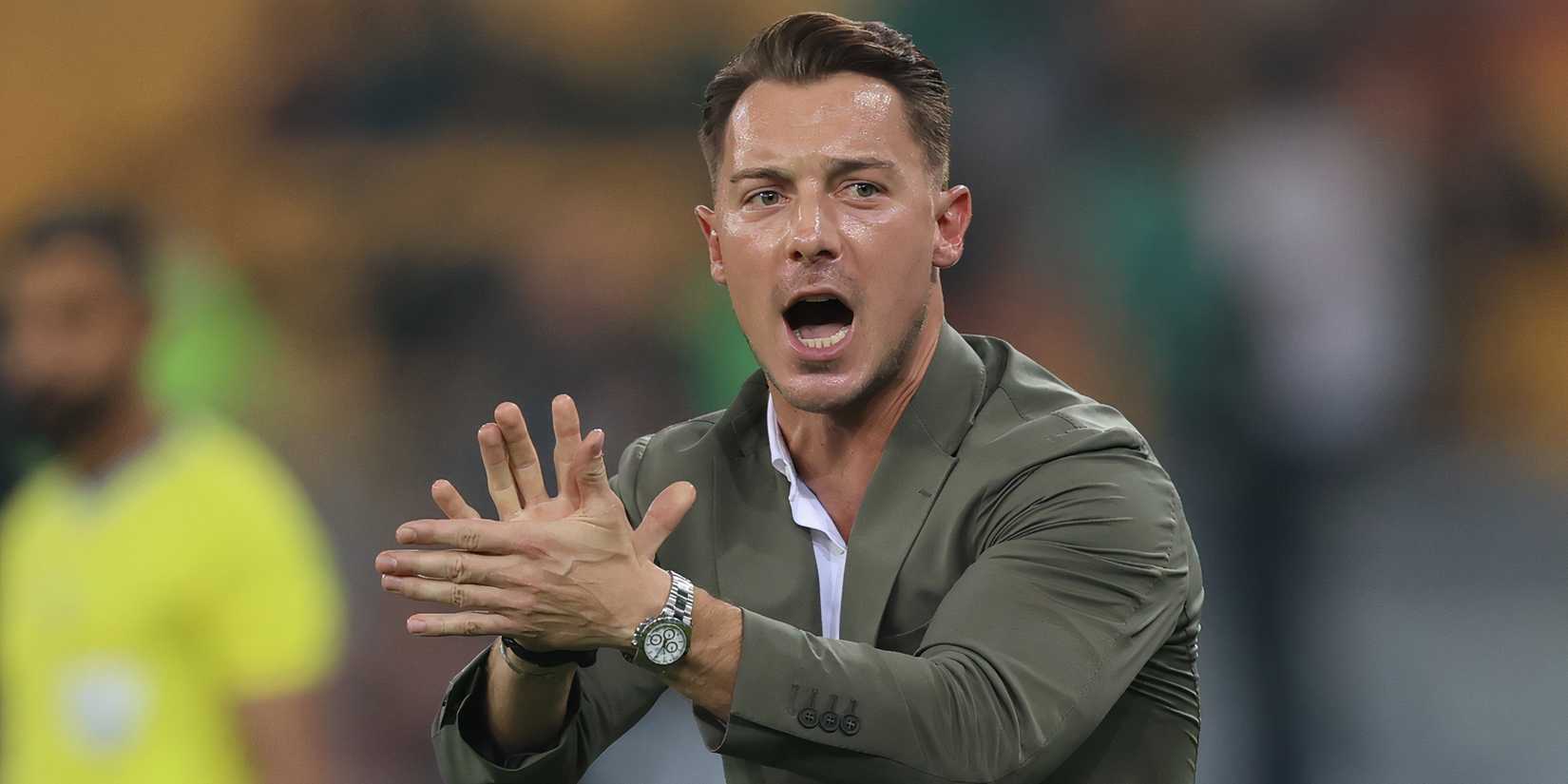
West Bromwich Albion's five-match winning run under James Morrison isn't built on transfer spending — it's a case study in how Championship clubs can generate momentum through structure and continuity.
The English Championship is often described as the most unforgiving league in world football — 46 gruelling fixtures, minimal squad depth relative to fixture congestion, and a financial gap to the Premier League that makes marquee signings a rarity for most clubs outside parachute-payment territory. Against that backdrop, West Bromwich Albion's recent run of form under head coach James Morrison is worth examining closely — not for any single result, but for what it reveals about how mid-table Championship clubs can generate sustained momentum without splashing significant transfer fees.
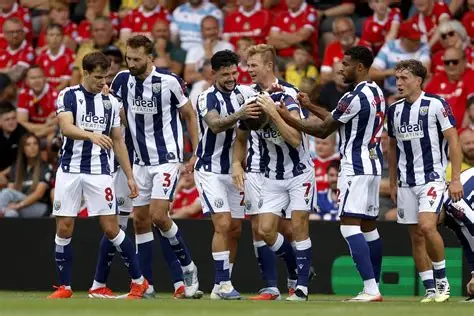
West Brom's recent form — five consecutive wins, including victories over Championship opposition and a strong showing in the Carabao Cup that took them to a tie against Premier League opposition — reflects something Championship analysts frequently point to as a more reliable predictor of sustained success than individual transfer windows: structural continuity. Clubs that retain a consistent coaching philosophy and squad culture across transfer windows, rather than constantly overhauling personnel, tend to develop a shared understanding of roles and responsibilities that becomes difficult for less cohesive opponents to disrupt.
That's a particularly relevant lesson for Championship clubs generally, given the division's notorious unpredictability. Every season features clubs that spend heavily in the summer and stumble into instability by October, while others quietly assemble a settled group and ride a wave of confidence into the top six. The difference is rarely about individual quality alone — it's about whether a group of players trusts the structure they're operating in.
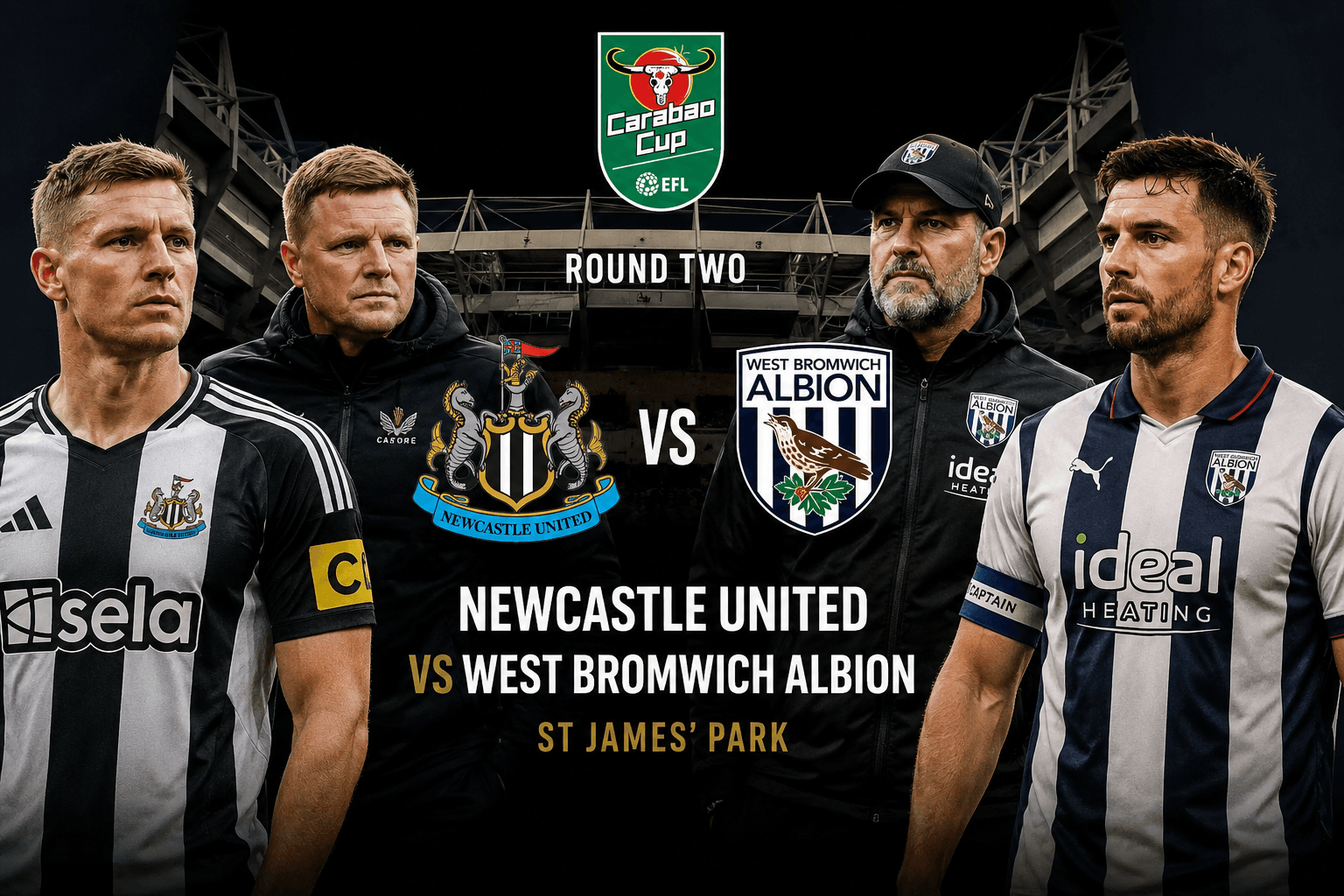
For West Brom specifically, testing that structure against Premier League opposition — as they did in a recent Carabao Cup tie against Newcastle United, covered in our preview of that fixture — offers a particularly useful diagnostic. Cup ties against top-flight sides strip away a lot of the tactical caution that governs league fixtures between more evenly matched opponents; underdog Championship sides often play with a freedom in those matches that reveals their attacking identity more clearly than a typical league game does.
There's also a financial dimension worth noting. Championship promotion is now widely estimated to be worth well over £200 million to a newly promoted club across parachute-adjusted broadcast revenue, prize money and commercial upside — a sum that dwarfs almost any realistic transfer outlay a Championship club could make in a single window. That imbalance is part of why sustainable, low-cost momentum-building matters so much more in this division than in leagues where clubs can simply outspend their way to results.
Squad management through a 46-game Championship season also rewards depth over marquee individual talent. Clubs that rotate effectively, manage fixture congestion around cup competitions, and avoid over-reliance on one or two standout performers tend to sustain form deeper into the season than clubs built primarily around a handful of star names. West Brom's current form suggests a squad that, at minimum, understands its collective identity — whether that's enough to sustain a genuine promotion push over a full campaign is a much longer conversation, but it's a foundation few Championship clubs manage to build convincingly by late August.
None of this guarantees anything in a division famous for turning "surprise promotion candidates" into mid-table finishers by Christmas. But the underlying signals — consistent coaching messaging, competitive performances against stronger opposition, and form built through structure rather than spending — are the kinds of markers that tend to separate clubs capable of sustaining a top-six push from those whose early-season form proves to be a mirage.
Whatever happens over the following months, West Brom's start offers a reminder that in the Championship, momentum built on culture and continuity can be just as valuable — and sometimes more durable — than momentum bought in the transfer market.