Beyond the Scoreboard: What Matthias Jaissle's Newcastle Project Really Needs to Succeed
Newcastle United's switch from Eddie Howe to Matthias Jaissle is about more than results — it's a philosophical reset. Here's what actually needs to go right for the project to work long-term.
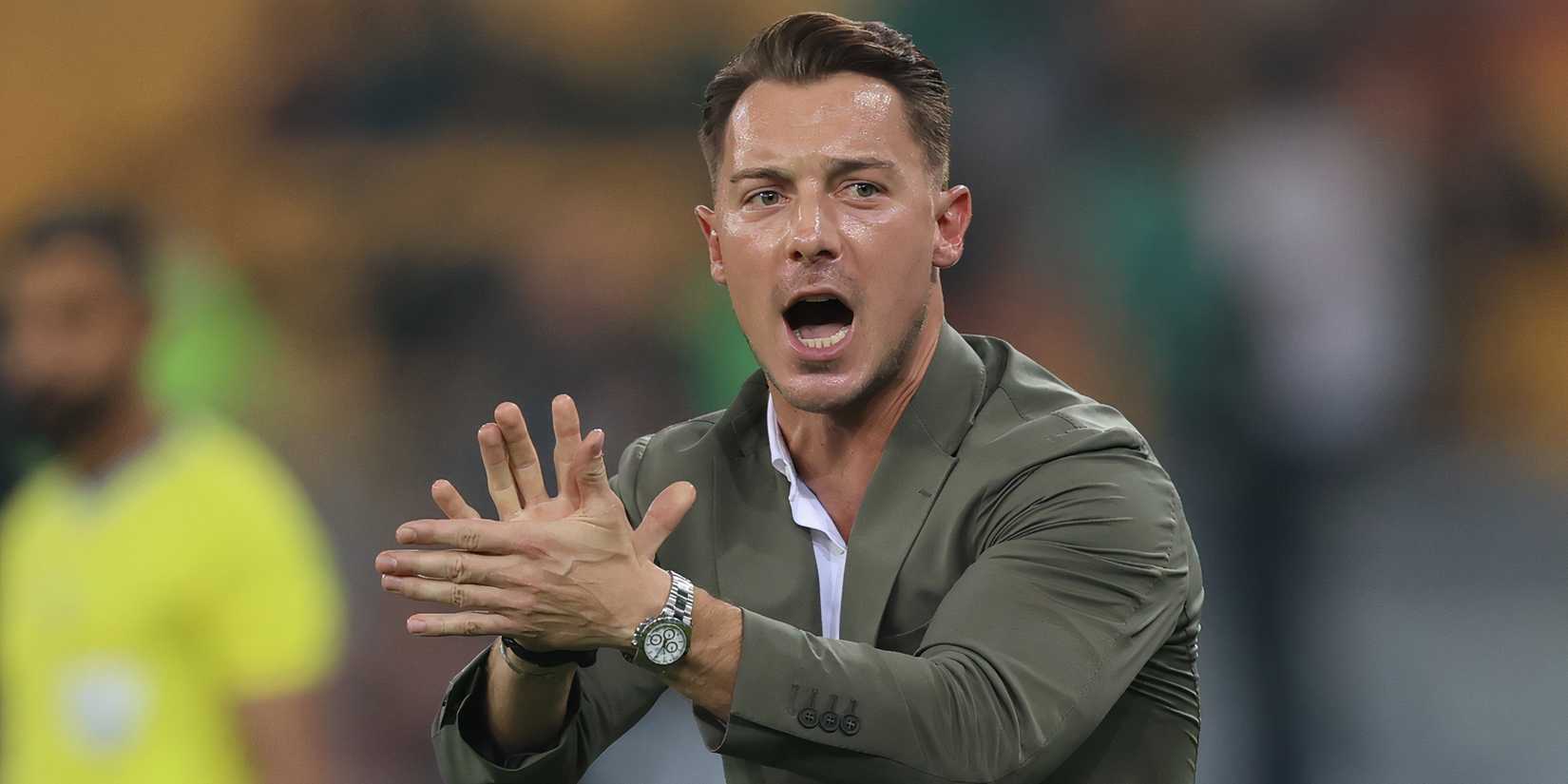
Every managerial change at a Premier League club comes wrapped in a simple question: will results improve? But at Newcastle United, the appointment of Matthias Jaissle as successor to Eddie Howe is really a test of something bigger — whether a club can successfully import an entire footballing philosophy, not just a coach.
Jaissle made his name at Red Bull Salzburg, where he built a reputation for high-intensity, vertically aggressive football underpinned by relentless pressing triggers and rapid transitions. That style earned Salzburg domestic dominance and turned heads across Europe — but Austrian football and the Premier League are very different environments, and that gap is the real story behind Newcastle's summer.
Our recent report on Newcastle's £29.5m signing of Amar Dedic offered an early clue to how Jaissle intends to bridge that gap: recruit players who already understand his system rather than hoping existing squad members adapt overnight. Dedic, a full-back who thrived under Jaissle at both Liefering and Salzburg, represents exactly the kind of "system-fluent" signing clubs increasingly prioritise when a coach arrives with a strongly defined tactical identity.
That approach carries real logic. Managerial transitions in the Premier League frequently fail not because a coach's ideas are flawed, but because implementation takes longer than patience allows. A high-press, transition-heavy system requires specific physical conditioning, positional discipline and split-second decision-making that can't simply be coached into a squad built for a different style within a handful of pre-season weeks. By recruiting players already fluent in his methods, Jaissle is effectively trying to shorten that adaptation curve — seeding his new group with players who can help translate his instructions to teammates in real time, on the pitch.
There is a second, quieter challenge underneath the tactical one: squad psychology. Newcastle spent the Howe era building a defensively disciplined, physically combative identity that helped the club punch well above its historical weight, including a return to the Champions League and domestic cup success. Asking a group forged in that identity to suddenly embrace a more expansive, higher-risk style is not a trivial adjustment — it touches habits, instincts and even confidence.
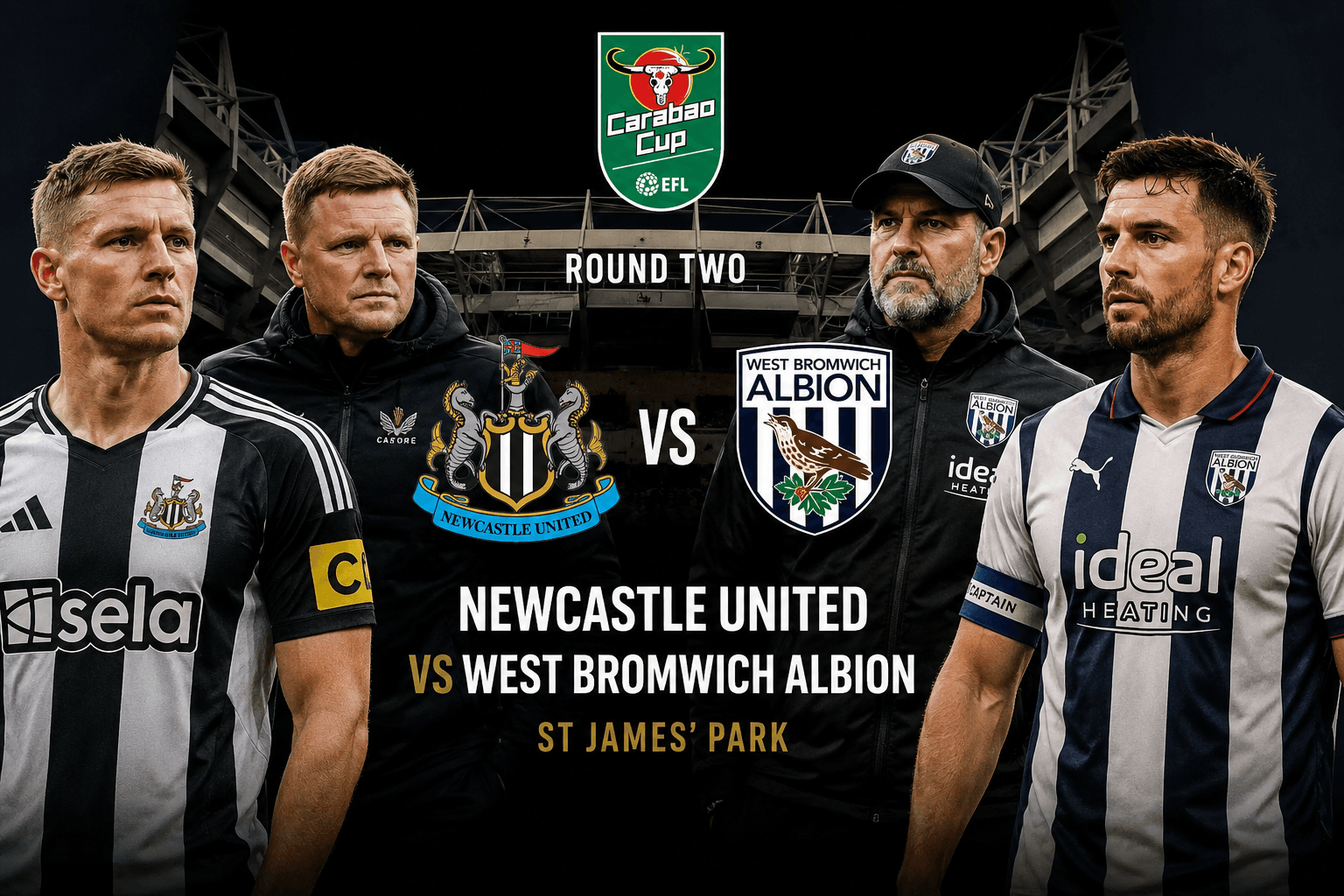
Early signs from Newcastle's opening weeks of the season have been a mixed bag, which is entirely typical of a squad in transition. Fixtures against elite opposition inevitably expose the gap between what a new system asks for and what a squad can currently deliver, while games against lower-tier opposition — including domestic cup fixtures — often provide the clearest window into whether the principles are starting to take hold, since there's more room for error and more opportunity to test structural ideas without immediate, high-stakes consequences.
Ownership patience will also matter enormously here. Clubs backed by significant financial resources — as Newcastle have been throughout the PIF-backed ownership era — often face internal or external pressure to deliver rapid results that outpaces the realistic timeline any systemic overhaul actually needs. Historical precedent across European football suggests that clubs which give high-press, possession-based coaches at least a full season — sometimes eighteen months — before passing judgment tend to see the project through to fruition far more often than those who react to short-term dips.
There's also a recruitment dimension that will play out over multiple transfer windows, not just one. Building a squad capable of sustaining an intense pressing system requires depth as much as quality — teams that press aggressively tend to accumulate fatigue and injuries faster than sides that sit deeper and conserve energy, which is why rotation-friendly squad depth becomes just as important as starting-XI talent. Newcastle's business over the coming windows, not just this one, will offer a clearer signal of whether the club is building sustainably around Jaissle's demands or simply patching gaps reactively.
None of this means results in year one are irrelevant — Premier League survival and progress matter regardless of process. But judging the Jaissle project purely on early scorelines risks missing the more meaningful question: is the squad, week by week, starting to look more comfortable executing the principles he's asking for? That's a much harder thing to capture in a match report, but it's ultimately the metric that will determine whether this appointment is remembered as a bold, successful reinvention — or a well-intentioned experiment that never had time to breathe.
For a club that has already proven it can rebuild its financial standing and top-table ambitions under previous management, the next test is proving it can rebuild its footballing identity too — and that's a process measured in seasons, not weekends.